“What if art could, for a moment of contemplation, envelop the world in gentleness?”
Between Reality and Poetic Reinvention
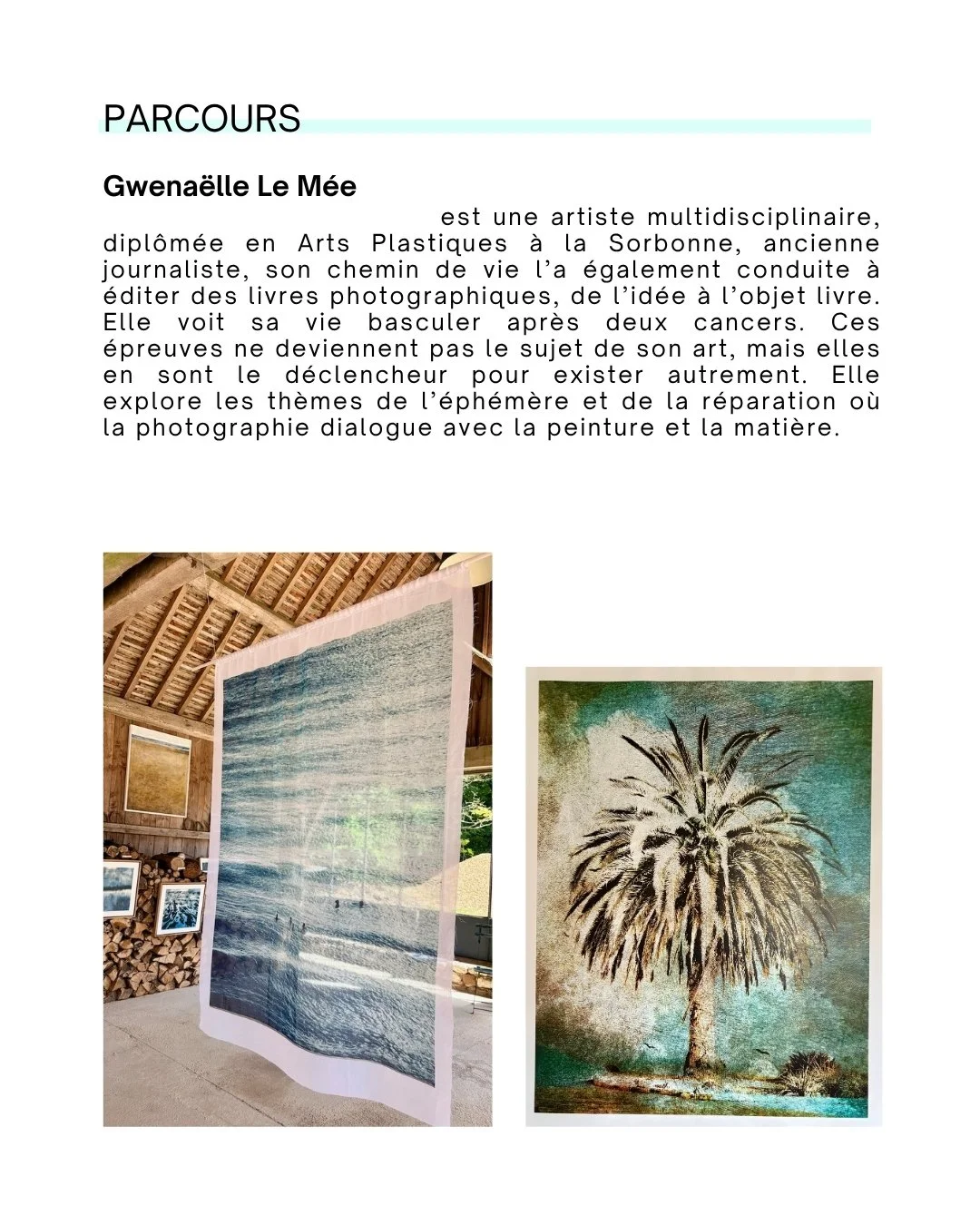
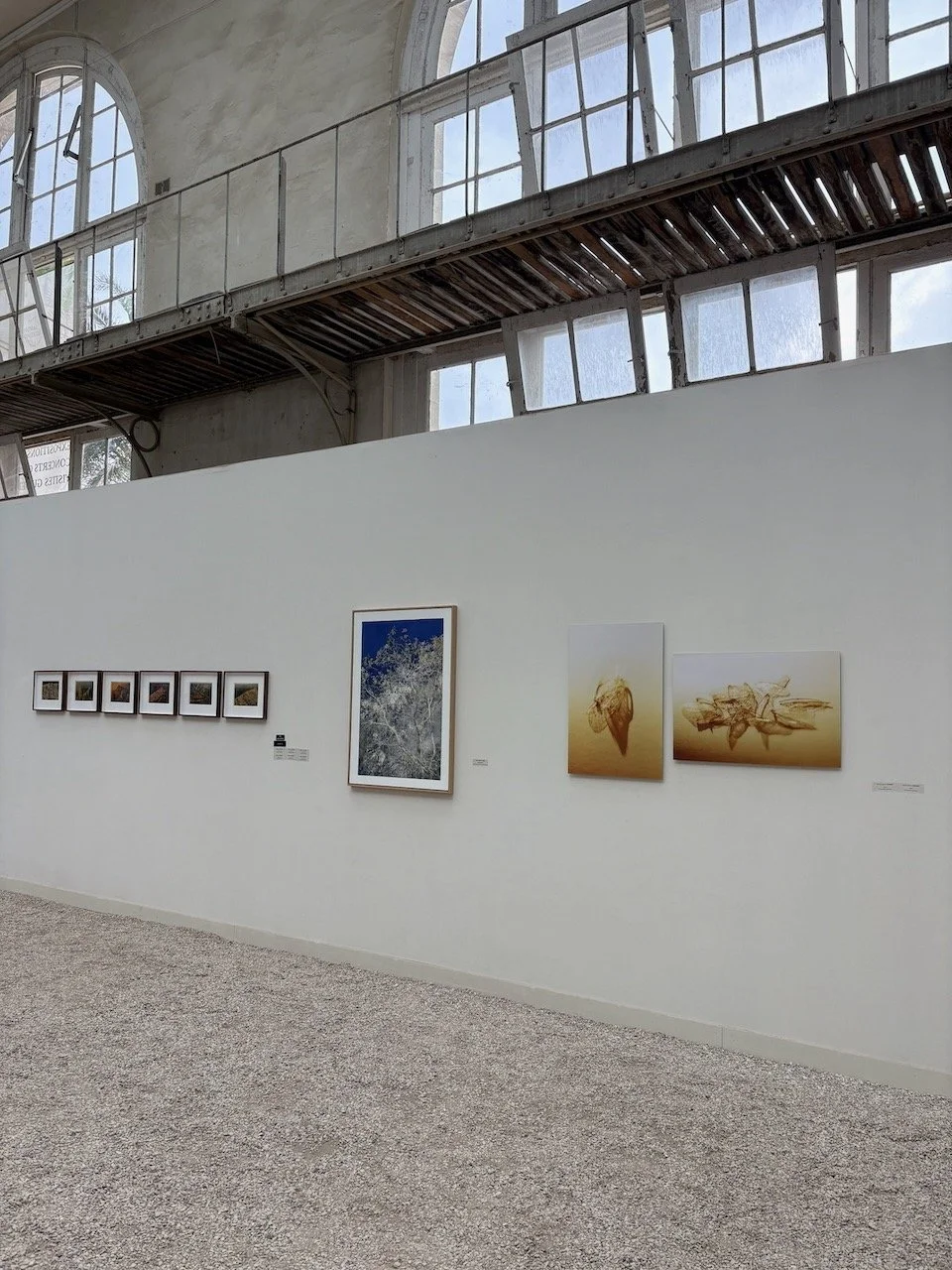
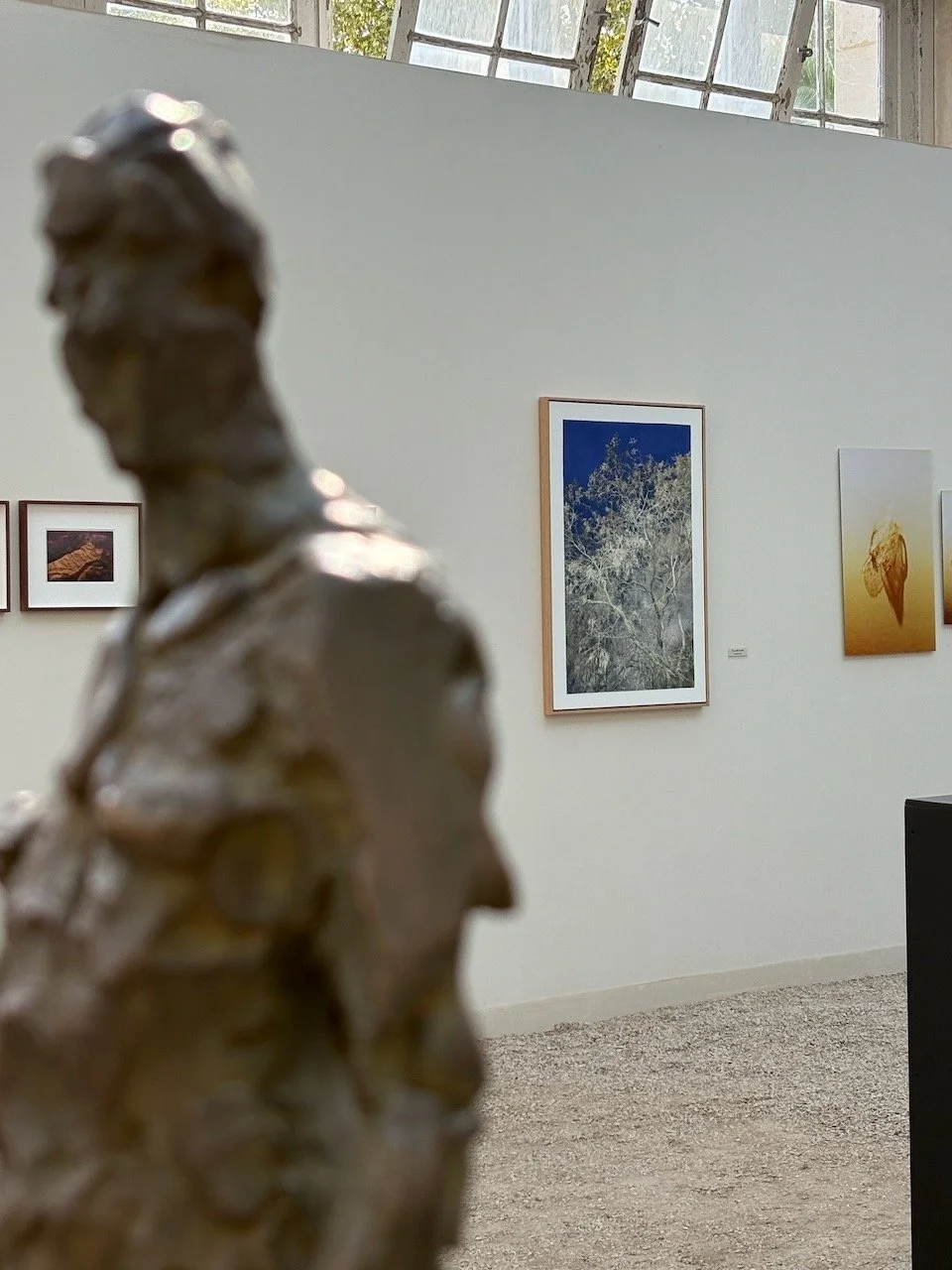
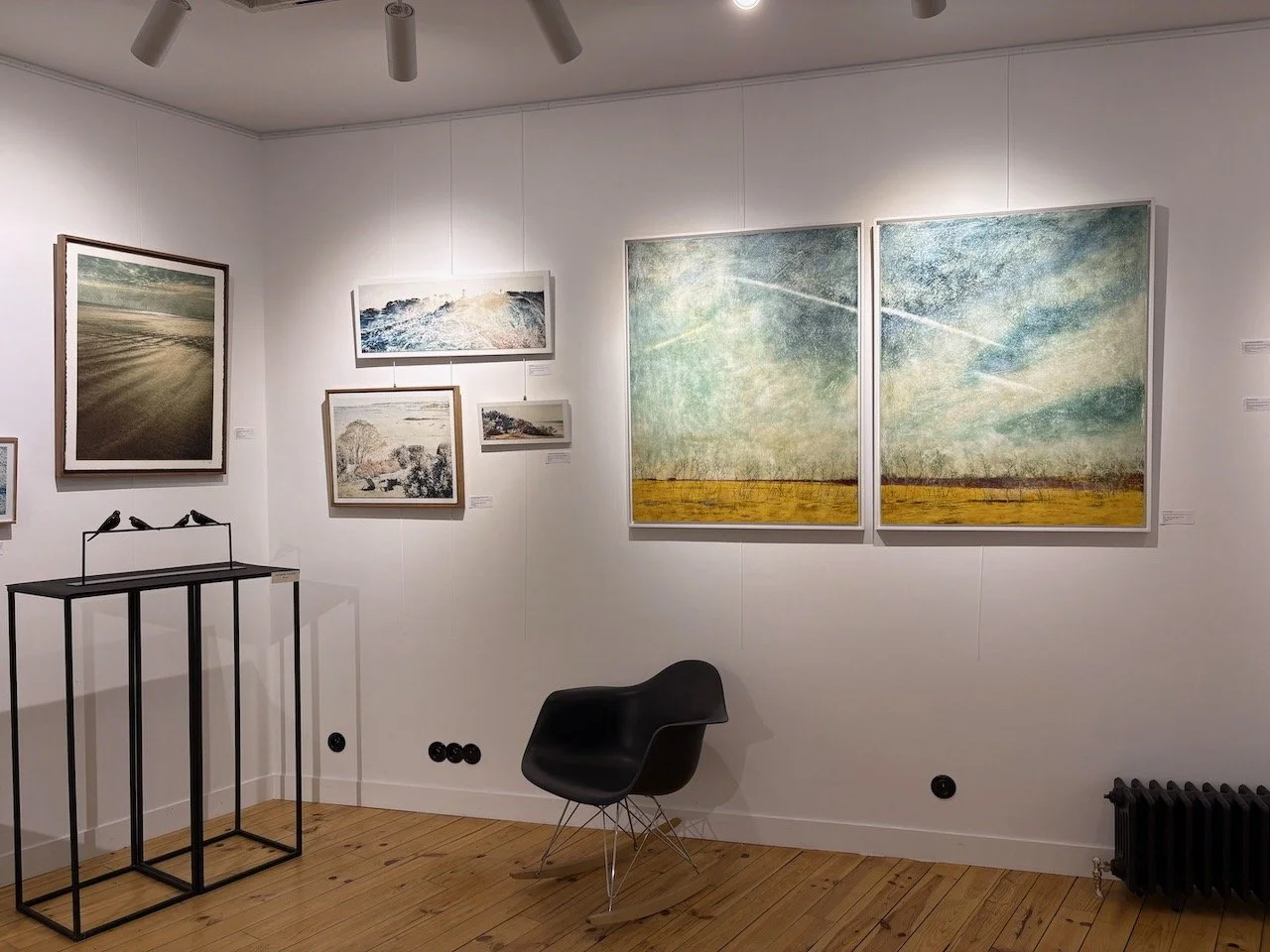
Born in 1967, Gwenaëlle Le Mée is a multidisciplinary artist with a degree in Fine Arts from the Sorbonne. In 2024, she received the Jean Larivière Prize, presented at the Orangerie du Sénat by the Fondation des Beaux-Arts. A former journalist, she has also worked as an editor and in the publishing of photography books, guiding each project from concept to finished book. Her life was turned upside down after battling two bouts of cancer. These trials did not become the subject of her art, but rather served as its catalyst: an invitation to live differently. She explores transience and transformation - realms where photography engages in a dialogue with painting and materiality.
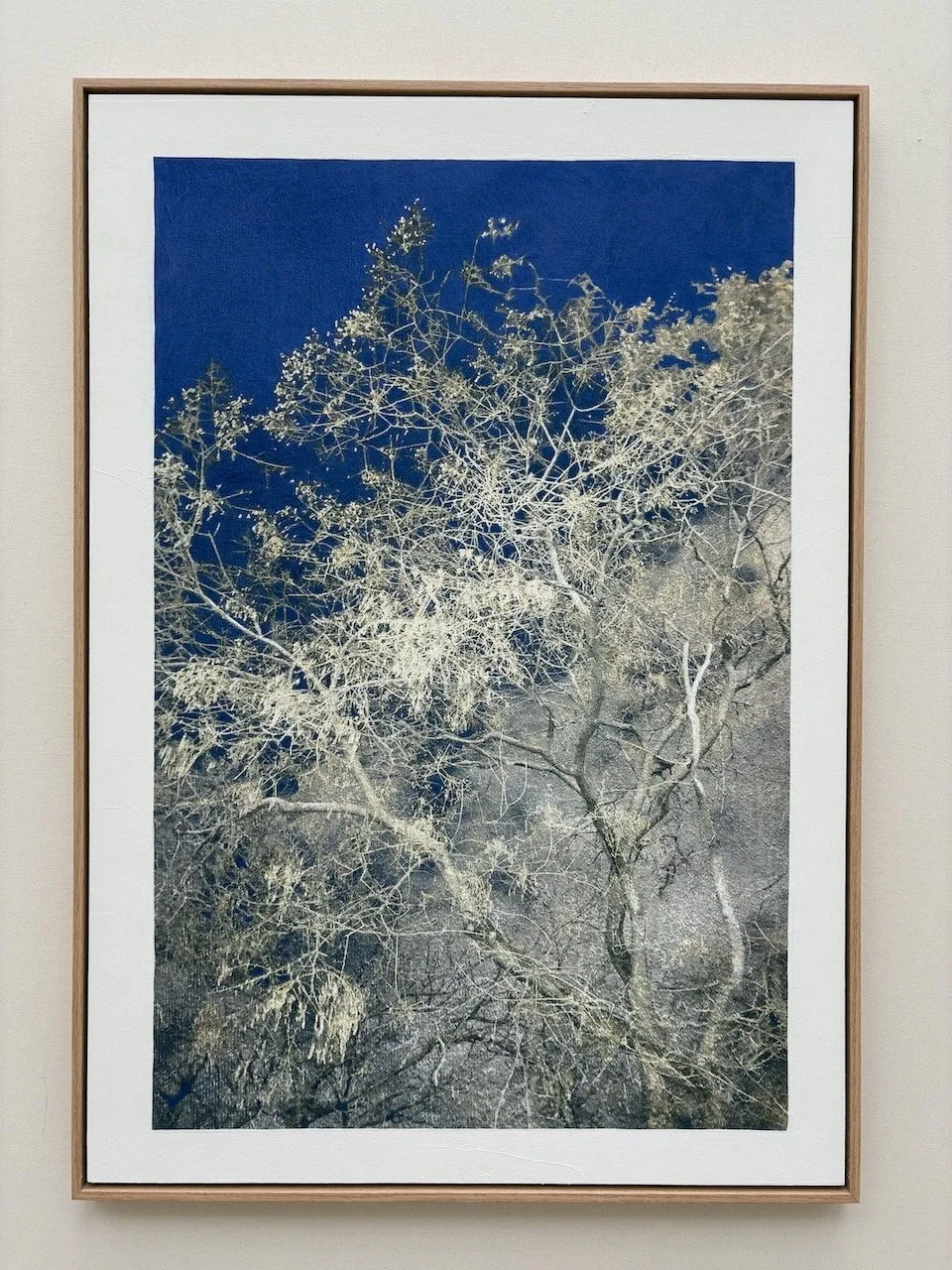
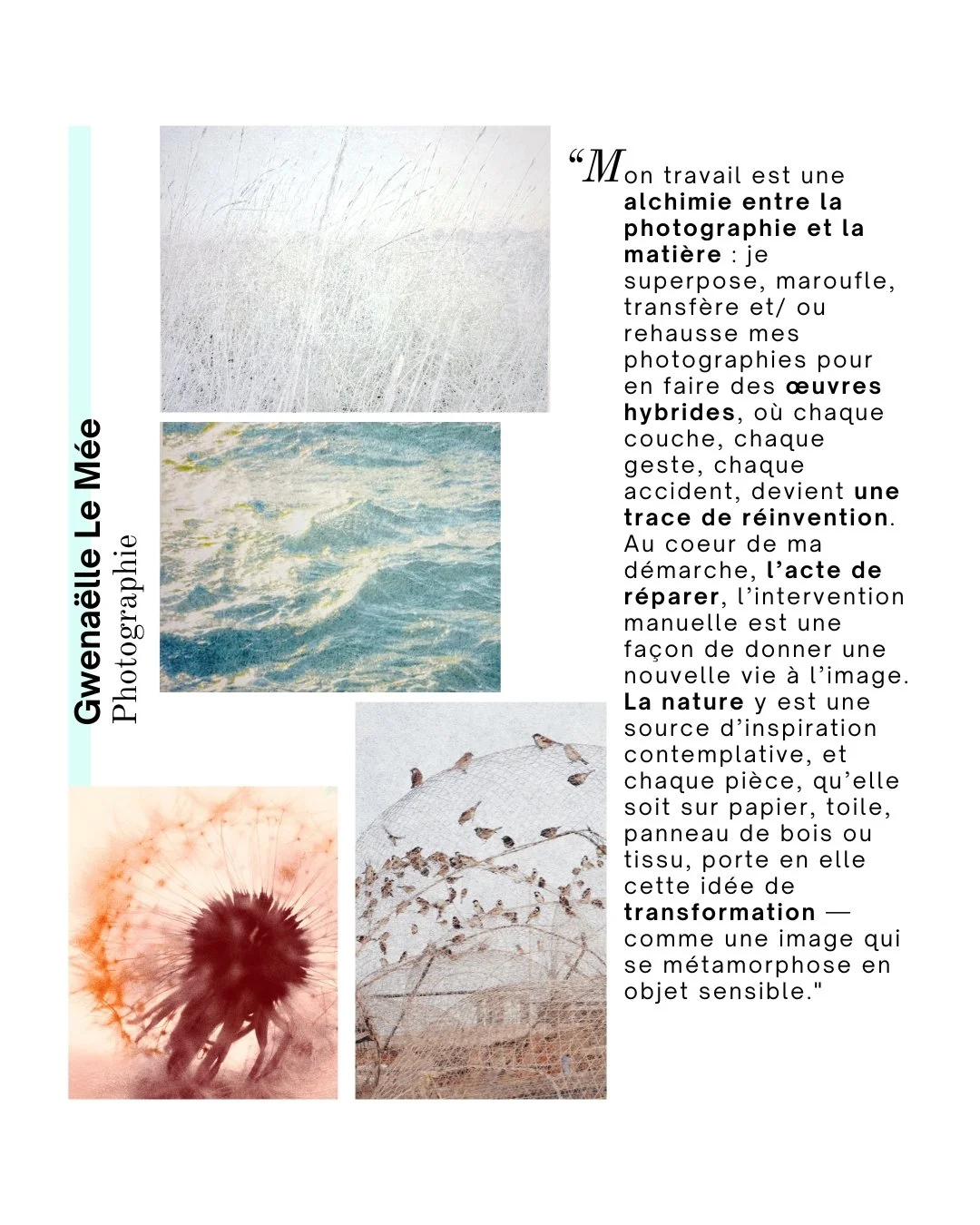
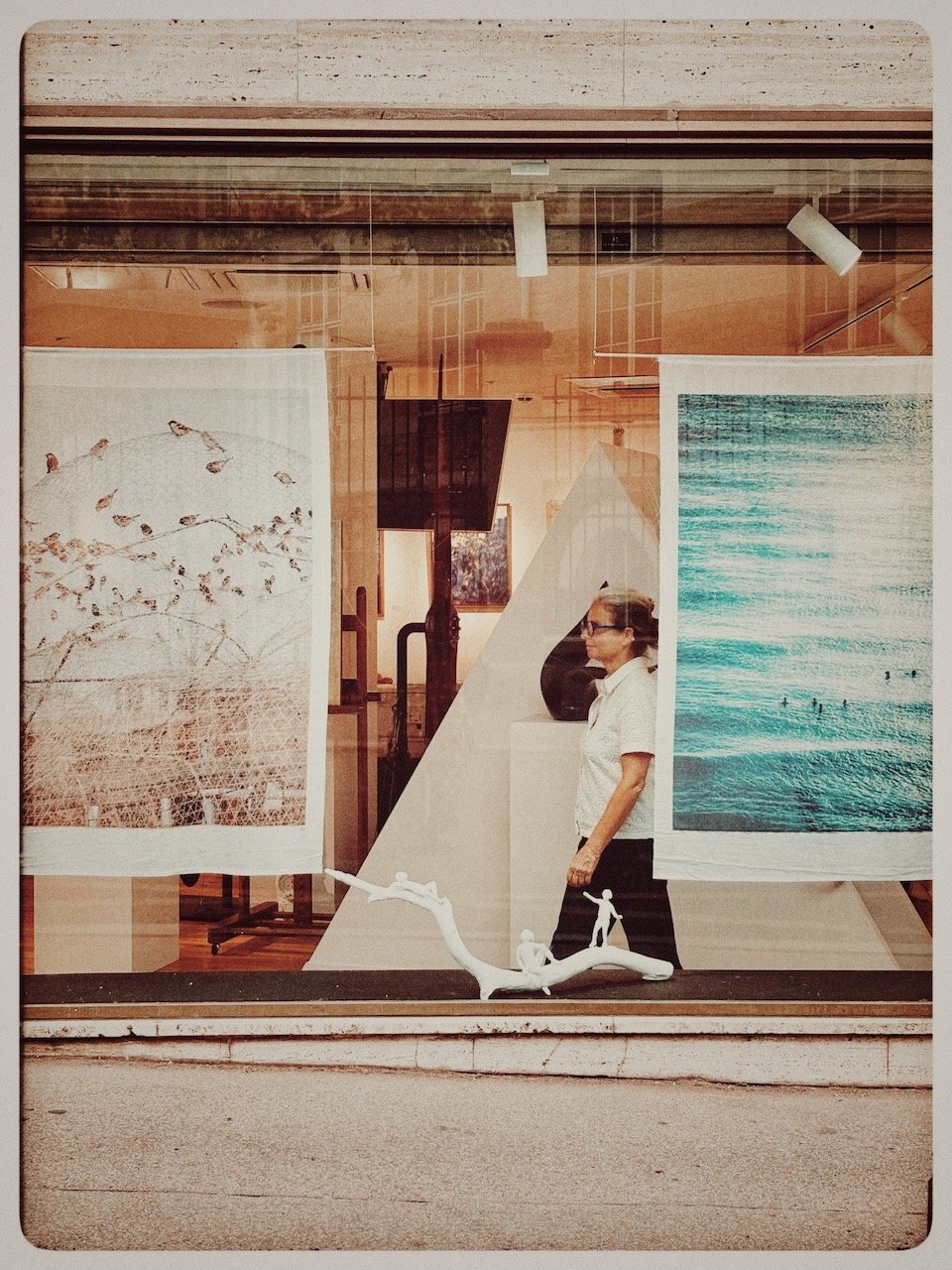
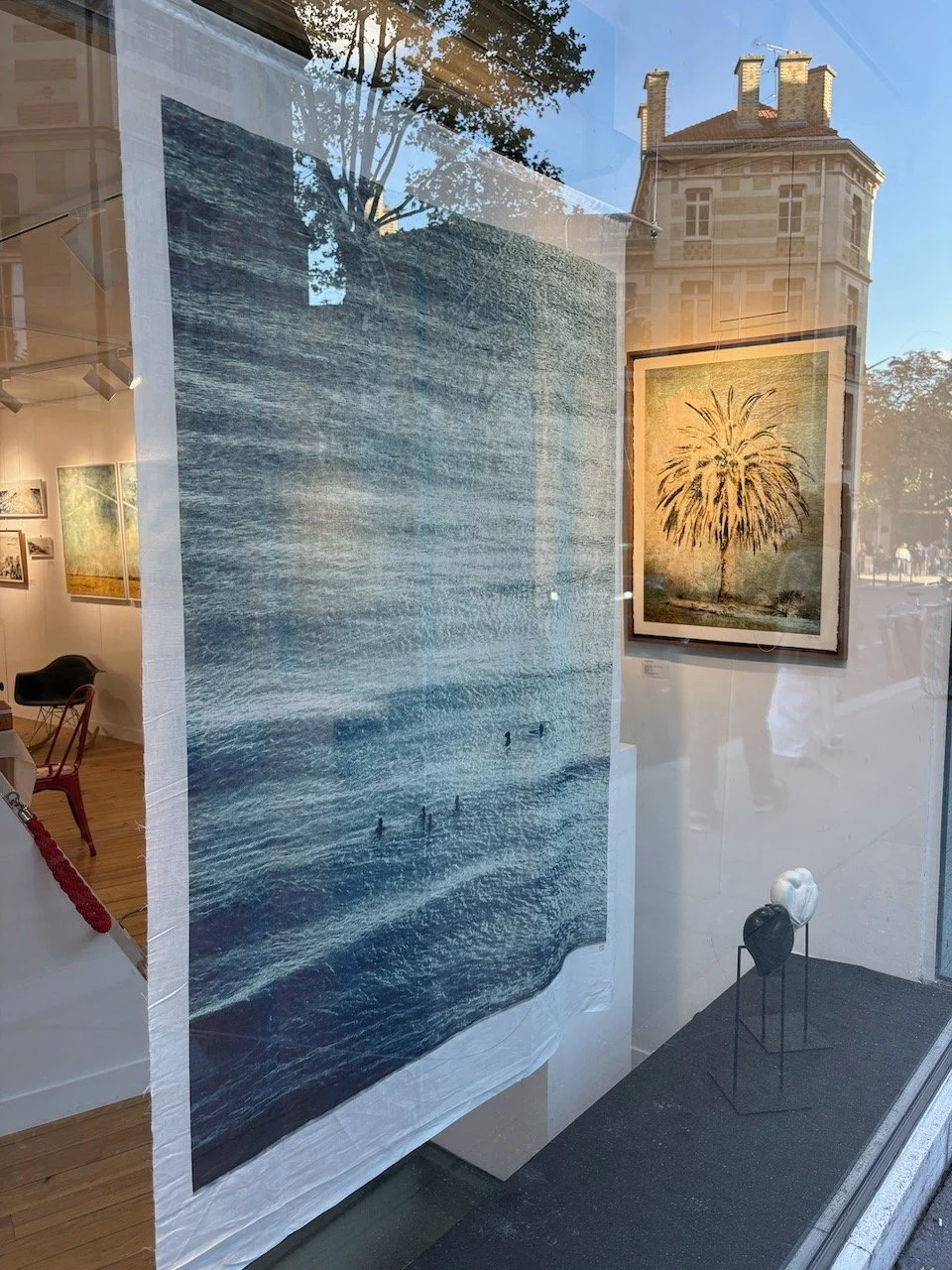
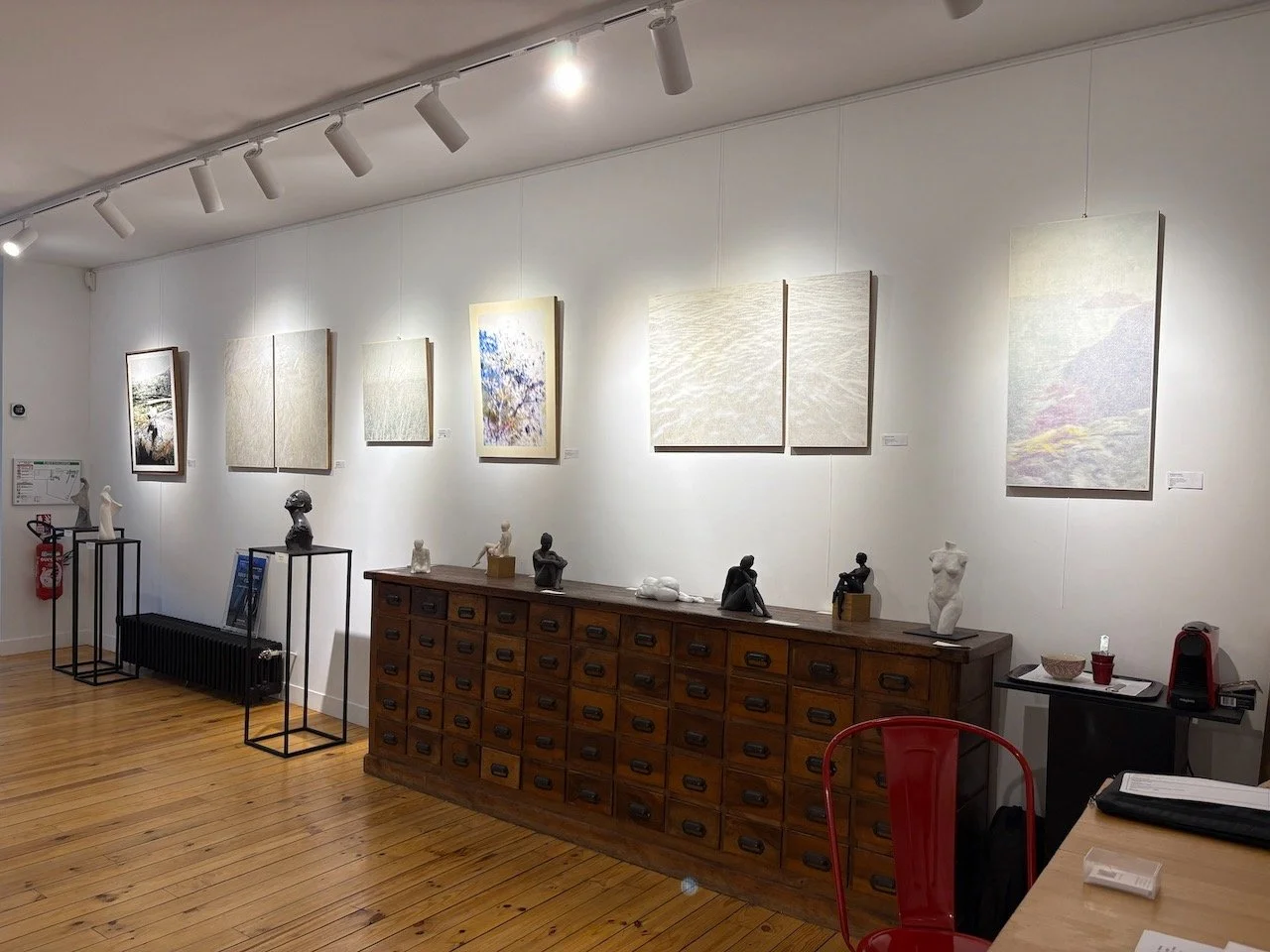
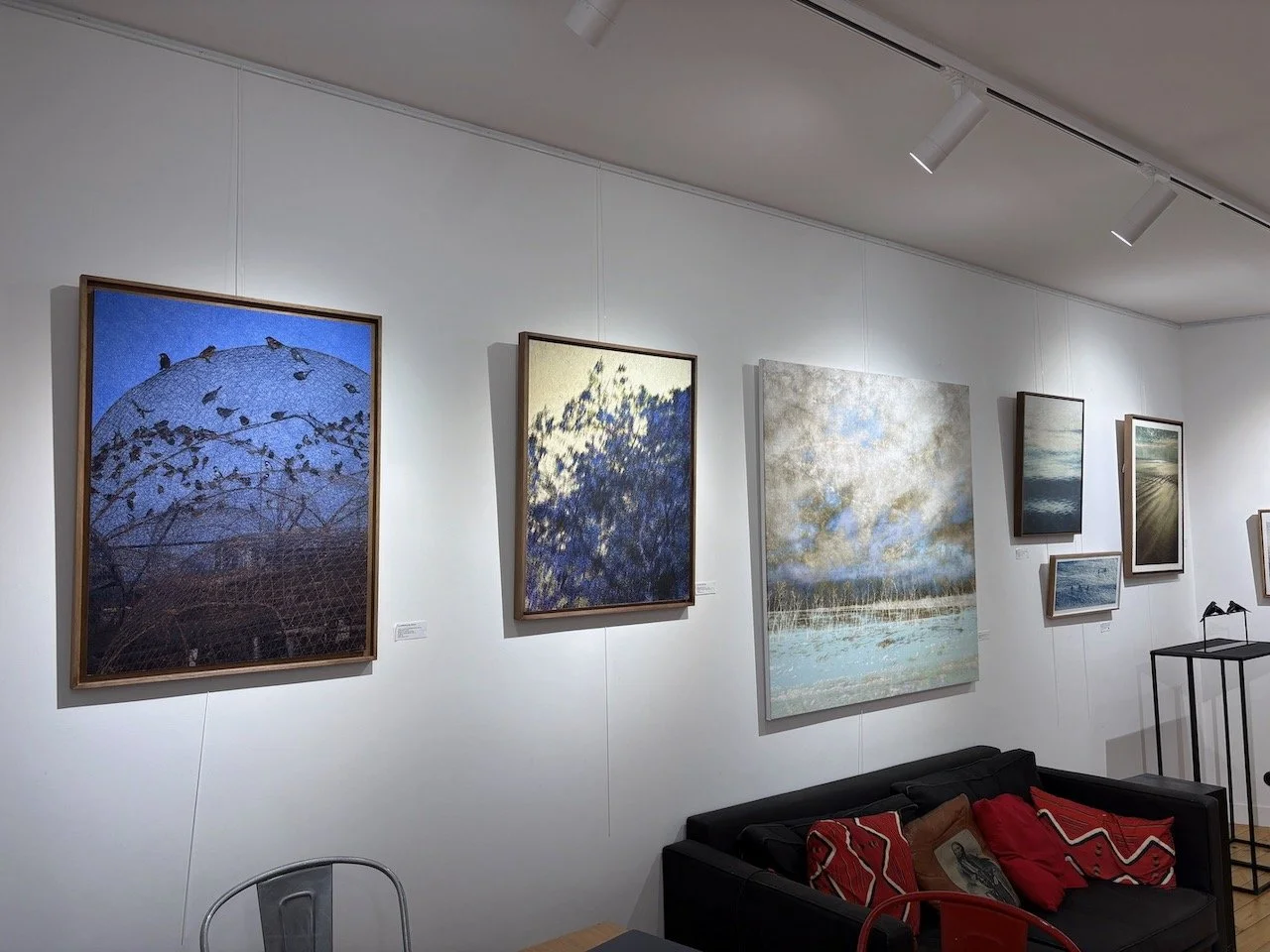
« My artistic approach is a dialogue between reality and the imagination, in which photography is merely a starting point—a raw material that I reinvent through layering, textures, chance, and gesture. At the heart of this process lies the act of transformation, a manual intervention that breathes new life into the image. Nature, a source of contemplative inspiration, guides each piece, whether it takes shape on paper, canvas, fabric, or another medium. Each work embodies this metamorphosis, in which the image unfolds into a tangible object, imbued with meaning and poetry. »



Her story
Born in 1967, having spent her childhood in Antibes and built her professional career in Paris and abroad, Gwenaëlle Le Mée is preparing to return to her family roots in the Pays du Léon region of northern Finistère.
Her interest in art began as a gentle sketch, a pastime, and a family tradition. This appreciation for aesthetics soon became part of her professional life.
A journalist, editor, art director, and publisher, her favorite mediums have always been images and words set to rhythm in a text, a layout, an edit, a broadcast, or a book.
Then came the time for the necessary temptation to experiment with it, to test it, and to put it into practice. Through various technical courses and workshops taken in Paris and abroad - including a long stint living abroad in Doha and Beirut - and earning a degree in fine arts from Panthéon-Sorbonne University in Paris, he initially gravitated toward abstraction, which offered complete freedom. The rediscovery of his old Olympus film camera at the bottom of a box rekindled his interest in the object and the technique. It was obvious.